dejar un mensaje
Si está interesado en nuestros productos y desea conocer más detalles, deje un mensaje aquí, le responderemos lo antes posible.
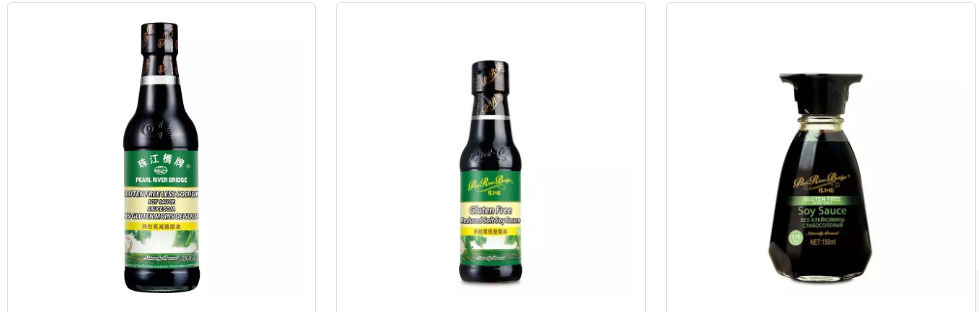
salsa de soja baja en sodio Es una opción más saludable para la mayoría de las personas. Generalmente contiene entre un 25 % y un 50 % menos de sodio que la salsa de soja tradicional, y algunas la reducen hasta en un 75 % o un 92 %. A muchos les preocupa que la salsa de soja baja en sodio signifique menos sabor, pero la salsa de soja baja en sal y sin gluten de Pearl River Bridge conserva un rico sabor umami. Este artículo compara los niveles de sodio, explica sus beneficios para la salud y ofrece consejos prácticos para cocinarla.
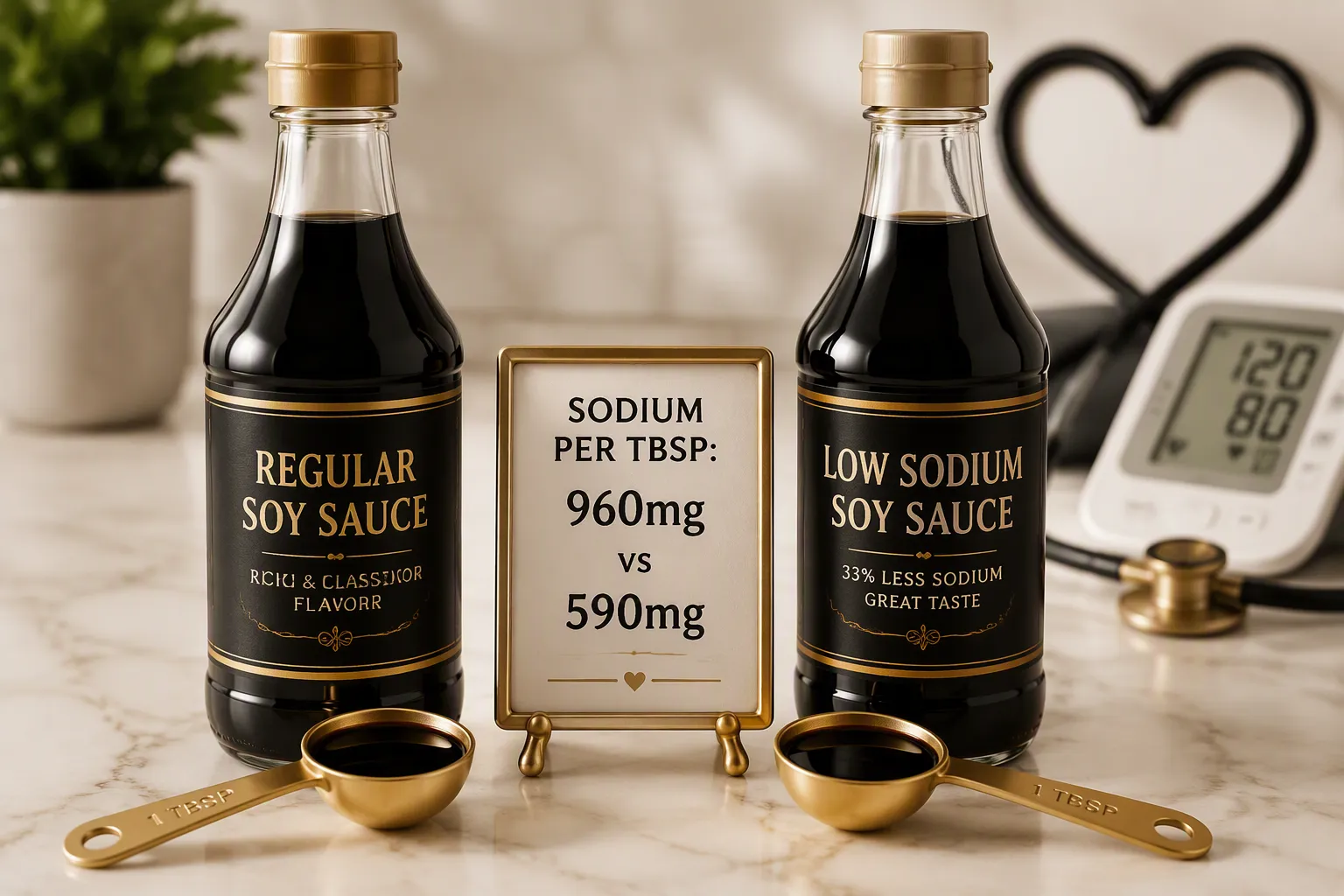
La razón más convincente para cambiar radica en las cifras. La salsa de soja regular aporta aproximadamente entre 900 y 1000 mg de sodio por cucharada, una cantidad considerable respecto al límite diario recomendado. La salsa de soja baja en sodio, en cambio, contiene solo entre 400 y 600 mg por cucharada. Esta reducción representa una disminución del 25 al 50 %, y algunas fórmulas especiales reducen el sodio hasta en un 75-92 %. Para ponerlo en perspectiva, consideremos la línea de productos de Kikkoman: su salsa de soja regular contiene 960 mg por cucharada, mientras que su versión baja en sodio contiene 590 mg. Este simple cambio supone un ahorro de 370 mg de sodio por ración.
Pearl River Bridge ofrece una excelente alternativa para quienes buscan productos con bajo contenido de sodio y sin gluten. Salsa de soja baja en sodio y sin gluten Ofrece un auténtico sabor fermentado sin ingredientes a base de trigo, por lo que es apto para personas con celiaquía o sensibilidad al gluten. Este producto se somete al mismo proceso tradicional de fermentación de 100 días que sus productos estándar, lo que garantiza que la reducción de sal no comprometa su complejo perfil umami. Para quienes siguen múltiples restricciones dietéticas, esta opción con doble beneficio simplifica la compra sin sacrificar la calidad.
Salsa de soja | Sodio por cucharada |
|---|---|
Regular | 900-1000 mg |
Bajo en sodio | 400-600 mg |
Kikkoman Regular | 960 mg |
Kikkoman Bajo en Sodio | 590 mg |
El consumo excesivo de sodio afecta directamente la función cardiovascular mediante un mecanismo bien documentado. Cuando aumentan los niveles de sodio en la sangre, el cuerpo retiene agua para mantener el equilibrio hídrico. Este aumento del volumen sanguíneo ejerce una presión adicional sobre las paredes arteriales, elevando la presión arterial y obligando al corazón a trabajar más con cada latido. Con el tiempo, este esfuerzo daña los vasos sanguíneos, aumenta el riesgo de aterosclerosis y contribuye a la hipertensión, las enfermedades cardíacas y los accidentes cerebrovasculares.
Reducir la ingesta de sodio entre un 25 % y un 50 % puede generar mejoras significativas en el control de la presión arterial. La Organización Mundial de la Salud recomienda limitar el consumo de sodio a menos de 2000 mg al día para los adultos, pero la mayoría consume mucho más. Sustituir la salsa de soja tradicional por una versión baja en sodio en la cocina diaria es un paso sencillo y práctico para cumplir con esta recomendación. Para las personas con hipertensión, este cambio puede complementar los tratamientos prescritos y, potencialmente, reducir la necesidad de medicación bajo supervisión médica.
Más allá de la salud cardiovascular, una menor ingesta de sodio se correlaciona con un menor riesgo de cáncer de estómago y enfermedad renal. Los altos niveles de sodio dañan la mucosa gástrica, aumentando la susceptibilidad a la infección por Helicobacter pylori y al posterior desarrollo de cáncer. Asimismo, los riñones deben trabajar más para excretar el exceso de sodio, lo que acelera el deterioro en personas con insuficiencia renal preexistente. La OMS cita estas asociaciones en sus estrategias mundiales de reducción de sodio, haciendo hincapié en que las reducciones a nivel poblacional evitarían millones de muertes al año.
Para los consumidores preocupados por su salud que buscan beneficios adicionales de etiquetas limpias, Salsa de soja orgánica Ofrece una garantía adicional. La salsa de soja orgánica Pearl River Bridge utiliza soja y trigo de cultivo orgánico, libres de pesticidas y fertilizantes sintéticos. Esta opción resulta atractiva para quienes priorizan la reducción de sodio y las prácticas agrícolas sostenibles. Combinadas con fórmulas bajas en sodio, las variedades orgánicas ofrecen un enfoque integral para un sazonado más saludable.
La salsa de soja baja en sodio presenta un perfil ligeramente más suave. El sabor salado y penetrante se atenúa, pero el umami esencial y el carácter de la soja fermentada permanecen intactos. Las marcas premium conservan la complejidad mediante métodos tradicionales. Pearl River Bridge emplea un proceso de fermentación natural de 100 días, que mantiene un aroma rico y complejo incluso con menos sal. Esta técnica garantiza que la salsa conserve una profundidad que va más allá de la simple salinidad.
En los platos cocinados, la diferencia suele ser imperceptible. El calor y otros ingredientes enmascaran la sutil reducción de sal. Un salteado con ajo, jengibre y verduras absorbe el sabor de la salsa sin que se note ninguna alteración. En las salsas para mojar, donde la sal es el único ingrediente, el cambio resulta más evidente. Sin embargo, la mayoría de los cocineros caseros consideran que el ajuste es mínimo y se adaptan rápidamente.
El uso de salsa de soja baja en sodio requiere una adaptación mínima. La mayoría de las recetas admiten una sustitución 1:1 sin más modificaciones. Los adobos, salteados y estofados se benefician especialmente, ya que ingredientes complementarios como el ajo, el jengibre y las especias aportan sus propios matices de sabor. La reducción de sal permite que estos elementos resalten aún más.
Para platos donde el sabor salado es el predominante, como las salsas para mojar, se puede añadir una pizca de sal o un chorrito de salsa de soja. De esta forma, se equilibra el sabor sin renunciar a una opción más saludable. Los restaurantes suelen emplear esta técnica para mantener la consistencia a la vez que ofrecen alternativas más ligeras.
La gama de productos de Pearl River Bridge ofrece una gran versatilidad en la cocina. Su salsa de soja baja en sodio y sin gluten es ideal para el uso diario, mientras que la salsa de soja orgánica atrae a quienes buscan ingredientes naturales. Para platos que requieren un color más intenso o sabores específicos, la salsa de soja ligera superior de Pearl River Bridge ofrece un sabor delicioso y de primera extracción, perfecto para mojar y saltear. Los chefs profesionales confían en esta variedad por su sabor consistente incluso a altas temperaturas. La combinación de estos productos permite obtener resultados con matices sin un exceso de sodio.
La salsa de soja baja en sodio ofrece una opción más saludable sin sacrificar el sabor. Una reducción del 25-50% en el sodio contribuye a una mejor presión arterial, disminuye el riesgo de enfermedades cardíacas y protege contra el cáncer de estómago y los problemas renales. Las marcas premium como Pearl River Bridge conservan el umami mediante la fermentación tradicional. Incorpórala a tus próximos salteados o marinadas para disfrutar de una cocina más sabrosa y saludable.
Sí, en la mayoría de los platos se puede sustituir en la misma proporción. Los adobos, salteados y estofados absorben bien el sabor. Para salsas donde predomina la sal, añada una pizca para equilibrar.
No. Las marcas premium como Pearl River Bridge utilizan la fermentación tradicional de 100 días. Este proceso conserva el rico sabor umami y el aroma complejo. El ligero toque salado se vuelve imperceptible en los platos cocinados.
Las personas que padecen hipertensión, afecciones cardíacas o problemas renales se benefician significativamente. Quienes tienen sensibilidad al gluten deben elegir Salsa de soja baja en sodio y sin glutenLos entusiastas de las etiquetas limpias pueden preferir Salsa de soja orgánicaPara una cocina versátil, Salsa de soja ligera superior Ofrece una profundidad sabrosa propia de la primera extracción.
 Suscríbase a nuestro boletín para mantenerse informado



 IPv6 RED SOPORTADA
Hi! Click one of our members below to chat on

 Libros de recetas
 PRB Soy Sauce Museum
 español
 English
 français
 русский
 español
 العربية