dejar un mensaje
Si está interesado en nuestros productos y desea conocer más detalles, deje un mensaje aquí, le responderemos lo antes posible.
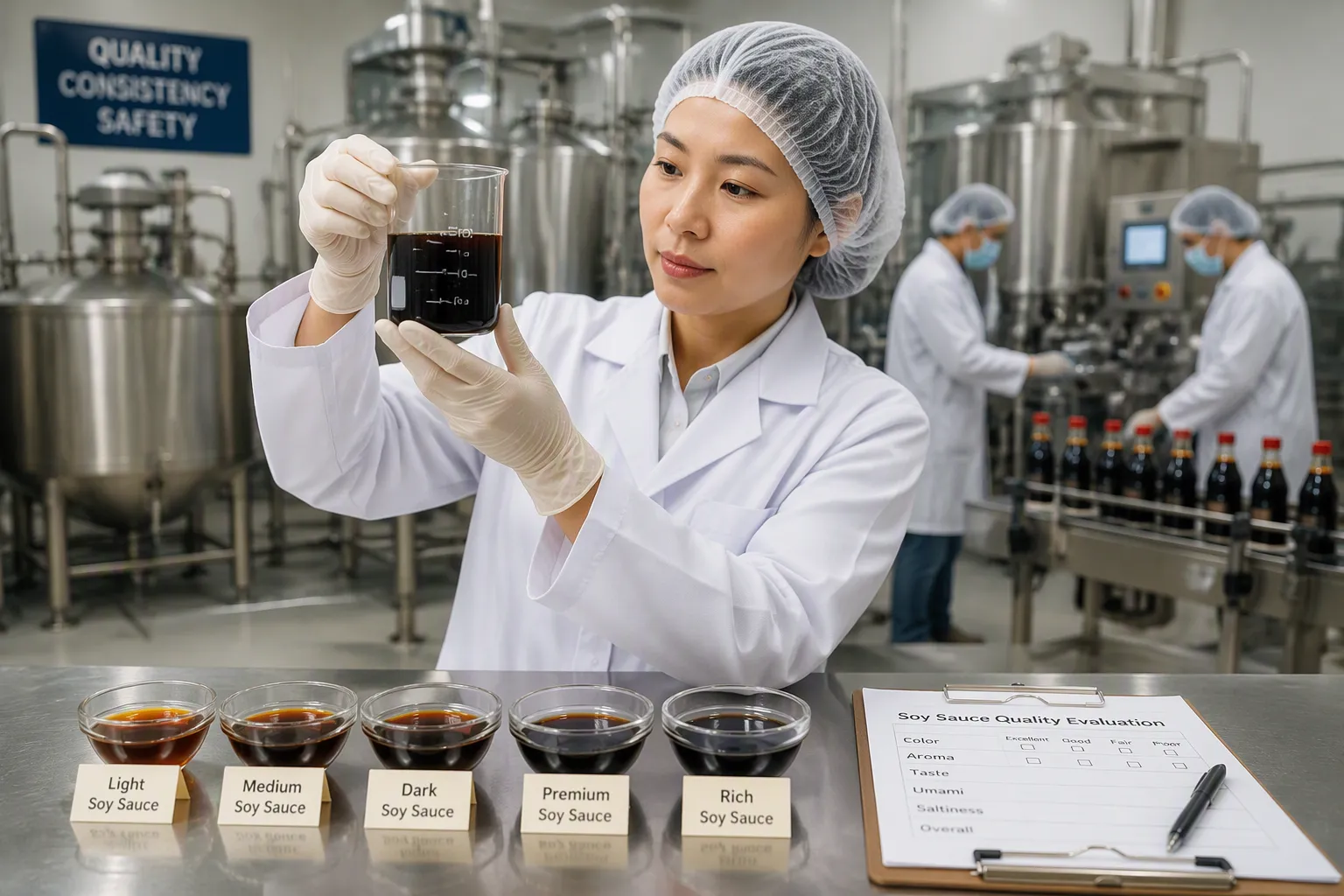
Selecting soy sauce for food manufacturers requires matching product specifications, quality standards, and supplier reliability to production scale. Industrial procurement prioritizes consistency and compliance—unlike retail buying. A three-step framework—define needs, evaluate quality, select a partner—guides the process.
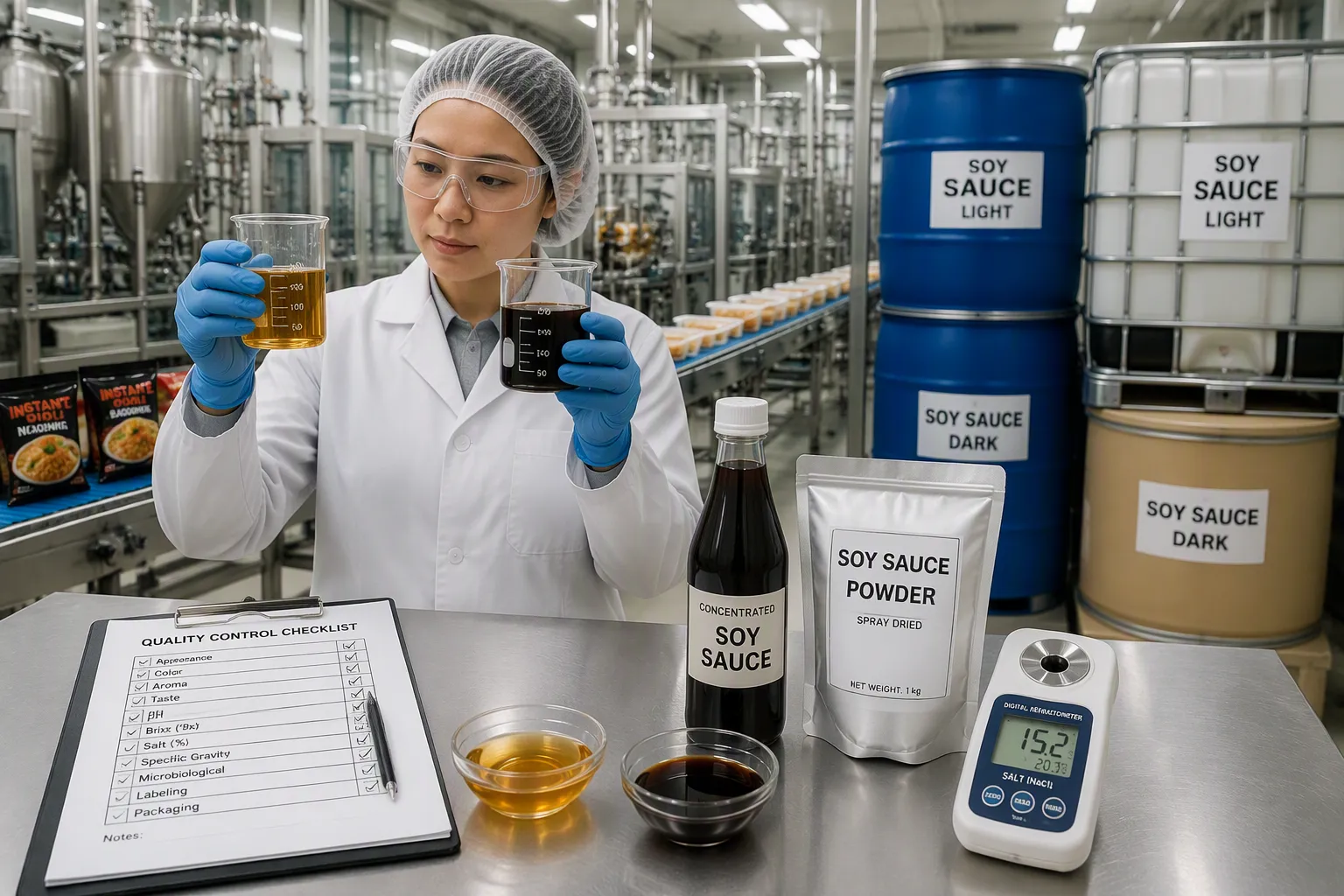
Different product categories demand different soy sauce profiles. Instant noodle manufacturers need a seasoning base that dissolves quickly and delivers clean umami without overpowering the soup sachet. Frozen food producers require a formula that survives freeze-thaw cycles without flavor loss or color bleeding. Ready-to-eat meal makers prioritize a sauce that holds up under retort sterilization. Sauce manufacturers, by contrast, need a concentrated base they can blend with other ingredients.
Light soy sauce typically serves seasoning and umami purposes. Dark soy sauce adds color and intensity. Pearl River Bridge's Golden Label Light Soy Sauce and Superior Dark Soy Sauce illustrate this split. A factory producing stir-fry kits might combine both to balance flavor and appearance.
The table below summarizes common commercial soy sauce types and their primary functions.
|
Type |
Primary Function |
Typical Application |
|---|---|---|
|
Light soy sauce |
Seasoning, umami |
Soups, marinades, noodle sachets |
|
Dark soy sauce |
Color, intensity |
Braised dishes, ready meals, sauces |
|
Concentrated soy sauce |
Cost-effective base |
Sauce manufacturing, snack seasoning |
|
Powdered soy sauce |
Dry blending |
Snack coatings, instant seasoning packs |
Volume requirements shape packaging and sourcing decisions. Large-scale manufacturers benefit from bulk packaging options such as drums or totes. OEM solutions allow factories to specify salt level, viscosity, and flavor profile. Industrial concentrates and powders offer cost-effective base ingredients for high-volume production. These formats reduce shipping weight and storage space.
Flavor consistency and salt level control are non-negotiable for factories. A batch that tastes different from the last one disrupts production lines and triggers costly rework. Salt level affects preservation, taste, and regulatory compliance. Factories must set tight specifications and verify every shipment against them.
Customization extends beyond flavor. Manufacturers may request specific amino acid profiles, color values, or packaging formats. A reliable partner delivers these adjustments without compromising batch-to-batch uniformity. The next section examines how to evaluate quality and safety in a potential supplier.
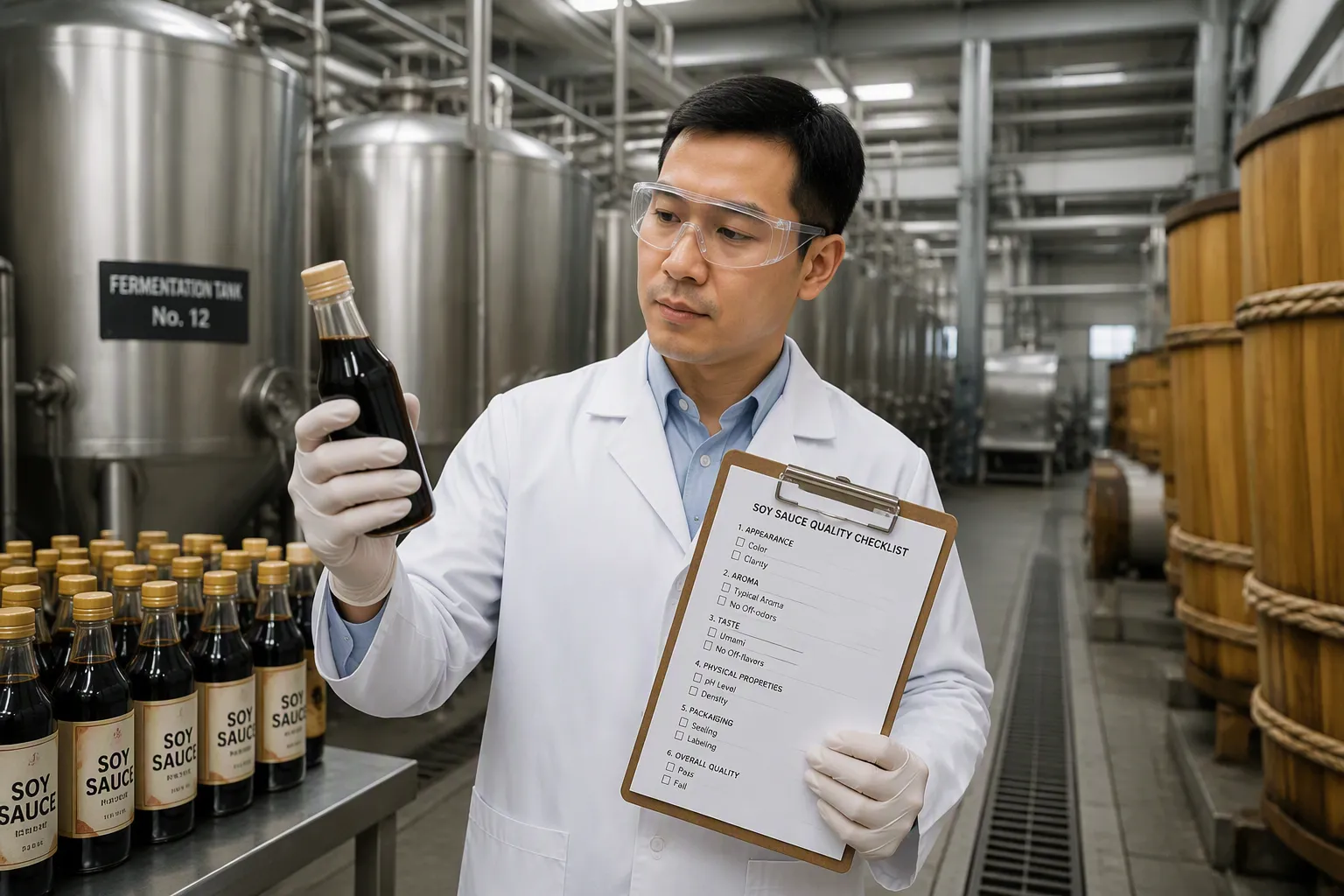
Traditional brewing methods signal higher quality. A fermentation period exceeding 100 days allows natural enzymes to break down proteins into amino acids. This slow process builds rich, savory flavor and deep amber color. Factories that cut fermentation short produce a thinner, less complex liquid. Industrial buyers should ask one direct question: how long does the soy sauce ferment? The answer reveals whether a supplier prioritizes speed or substance.
Pure flavor profiles matter for commercial manufacturing. Added MSG masks weak fermentation and creates unpredictable interactions with other ingredients. A clean, naturally fermented product delivers consistent umami without chemical aftertaste. This purity simplifies recipe formulation. It also reduces the risk of off-flavors developing during storage or heat processing.
Certifications provide third-party proof of safety and quality. Buyers should verify food safety management certifications, export compliance documents, and product-specific test reports. Amino acid content serves as a measurable quality indicator. Higher amino acid nitrogen levels correlate with richer flavor and better brewing practices. Production capacity determines whether a supplier can handle large orders without delays. A factory that runs at full capacity may struggle to meet sudden demand spikes.
Pearl River Bridge demonstrates these standards in practice. The company maintains bean-to-bottle quality control across every production stage. Its China Time-honored Brand status reflects decades of consistent manufacturing. The brand exports to more than 150 countries, which proves its ability to meet diverse regulatory requirements. Each batch undergoes strict testing before shipment. This level of oversight gives industrial buyers confidence in long-term supply.
A practical evaluation checklist helps buyers compare suppliers objectively. The table below outlines key criteria.
|
Criterion |
What to Verify |
|---|---|
|
Brewing method |
Fermentation duration, natural ingredients |
|
Flavor profile |
No added MSG, consistent umami |
|
Certifications |
Food safety, export compliance, test reports |
|
Amino acid content |
Measurable nitrogen levels |
|
Production capacity |
Ability to meet volume demands |
|
Quality control |
Bean-to-bottle traceability |
Buyers should request documentation for each criterion. A supplier that hesitates or provides incomplete records raises a red flag. The next section explains how to choose the right supplier based on reputation, reach, and communication.
A supplier's reputation reflects years of consistent manufacturing. Buyers should examine track records, customer references, and industry standing. Global presence matters for manufacturers that export finished products. A supplier with wide export reach understands diverse regulatory environments and can support multiple markets.
Brand size alone does not guarantee suitability. The largest manufacturer may not offer the specific fermentation profile or salt level a factory requires. Quality and consistency outweigh scale. Buyers should prioritize suppliers that demonstrate reliable batch-to-batch uniformity over those with the biggest market share.
Pearl River Bridge exemplifies a reliable industrial soy sauce supplier. The company exports to more than 150 countries and offers OEM capabilities. This reach proves its ability to meet varied compliance standards. Its OEM solutions allow factories to specify salt content, viscosity, and flavor intensity. Such flexibility supports long-term production planning.
Transparent ingredient sourcing builds trust. Suppliers should disclose raw material origins, fermentation duration, and additive usage. Responsiveness during the inquiry stage predicts future service quality. A supplier that answers technical questions promptly will likely handle production issues effectively.
Buyers should request samples, specification sheets, and certifications before committing to bulk orders. Samples reveal flavor, color, and viscosity. Spec sheets confirm amino acid content and salt levels. Certifications prove food safety compliance. This documentation protects the buyer from costly production failures.
A practical evaluation table helps compare suppliers objectively.
|
Criterion |
What to Verify |
|---|---|
|
Reputation |
Customer references, industry standing |
|
Global reach |
Export markets, regulatory experience |
|
Responsiveness |
Reply speed, technical support |
|
Transparency |
Ingredient sourcing, additive disclosure |
|
Documentation |
Samples, spec sheets, certifications |
Buyers who verify these criteria reduce supply chain risk. The next step involves building a long-term partnership rather than a one-time transaction.
Industrial buyers should define product needs, evaluate quality and safety, then vet the supplier. Flavor consistency, salt level control, and fermentation profile remain essential. Request samples, spec sheets, and certifications before bulk commitments. Build long-term partnerships, not one-time transactions, to secure reliable Soy Sauce supply.
Buyers request samples from multiple production runs. They compare color, viscosity, and salt level against specification sheets. Consistent results across samples indicate reliable manufacturing.
Suppliers provide spec sheets, food safety certifications, and amino acid test reports. These documents confirm product quality and regulatory compliance. Buyers should verify all paperwork before shipment.
Yes. Many industrial soy sauce supplier operations offer OEM solutions. Factories specify salt content, viscosity, and flavor intensity. Customization ensures the ingredient matches the final product's requirements.
 Suscríbase a nuestro boletín para mantenerse informado



 IPv6 RED SOPORTADA
Hi! Click one of our members below to chat on

 Libros de recetas
 PRB Soy Sauce Museum
 español
 English
 français
 русский
 español
 العربية